At The Greater Boston Food Bank (GBFB), we have a vision to lead our community in pursuing bold, yet thoughtful anti-hunger policy solutions and empower our Eastern Massachusetts community to become advocates.
GBFB is focused on advancing policy that accelerates current food access programs that help alleviate the current hunger crisis while also supporting sustainable, root-cause policies that intersect with hunger-relief and advance equity.
Working in partnership with our government officials, network partners, statewide coalitions, and the general public is key to achieving our mission to End Hunger Here.
See our 2024-2025 policy and advocacy priorities.
Hunger Relief Advocacy Priorities
Latest Updates
A huge win for food security in Massachusetts! The Greater Boston Food Bank (GBFB) applauds the Healey-Driscoll administration and Massachusetts State Legislature for passing a food-secure FY26 state budget. This vital investment prioritizes hunger relief and will help ensure that more of our neighbors across the Commonwealth have consistent access to the nutritious food they need to thrive.
Hunger Relief Highlights:
- $180 million for School for Meals
- Ensures every MA student has access to free school meals, helping them learn and grow without hunger.
- $49.5 million for the Massachusetts Emergency Food Assistance Program (MEFAP)
- Provides essential support to food banks like GBFB and our network of 600 Agency Partners.
- $500,000 for the Hunger-Free Campus Initiative
- Supports college students facing food insecurity on campuses across the state.
- $20 million for the Healthy Incentives Program (HIP)
- Makes fresh, local produce more affordable for SNAP participants at farmers markets and farm stands.
- $15.5 million to strengthen the Special Supplemental Nutrition Program for Women, Infants, and Children (WIC)
- Promotes maternal and early childhood health through nutrition access.
- Additional funding for local anti-hunger initiatives.
- Helps communities implement targeted solutions to meet local needs.
These investments reflect a powerful commitment to ending hunger and advancing health equity in Massachusetts. We thank our elected officials for their leadership, and our supporters and partners for continuing to advocate for a hunger-free future.
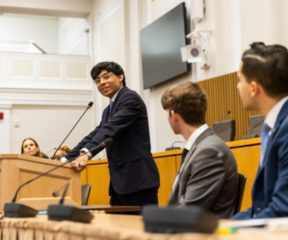
Advocacy Actions |
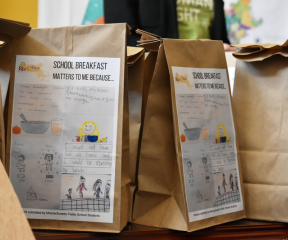
Successes |
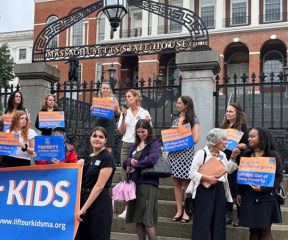
Calls to Action |
Get Involved!
Join The Greater Boston Food Bank (GBFB) in asking our policymakers to prioritize anti-hunger policies.
Share our message on social media: